Practice
Naoki Sullivan
Artist. Large-scale installations.
 images/portrait.jpg · 4:5 portrait · Naoki at the torch or in the studio
Naoki Sullivan designs large-scale installations. He grew up in Hawaiʻi and works between studios in Winthrop, Washington, and Kailua, Hawaiʻi.
He studied physics at Middlebury College and design at Stanford University, and has spent his career designing products and physical systems. His installation practice applies the same methods: site study, drawings and physical models, material testing, and engineering for structure and weather.
Sullivan designs each work and leads the team that makes it. Fabrication is carried out with specialist makers selected for the material and technique each piece requires. His current series, Tumbleweed, is made in flameworked glass; he began working in glass at Pilchuck Glass School in 2026.
Pilchuck Glass School
 images/pilchuck-01.jpg · 3:2 landscape
 images/pilchuck-02.jpg · 4:5 portrait
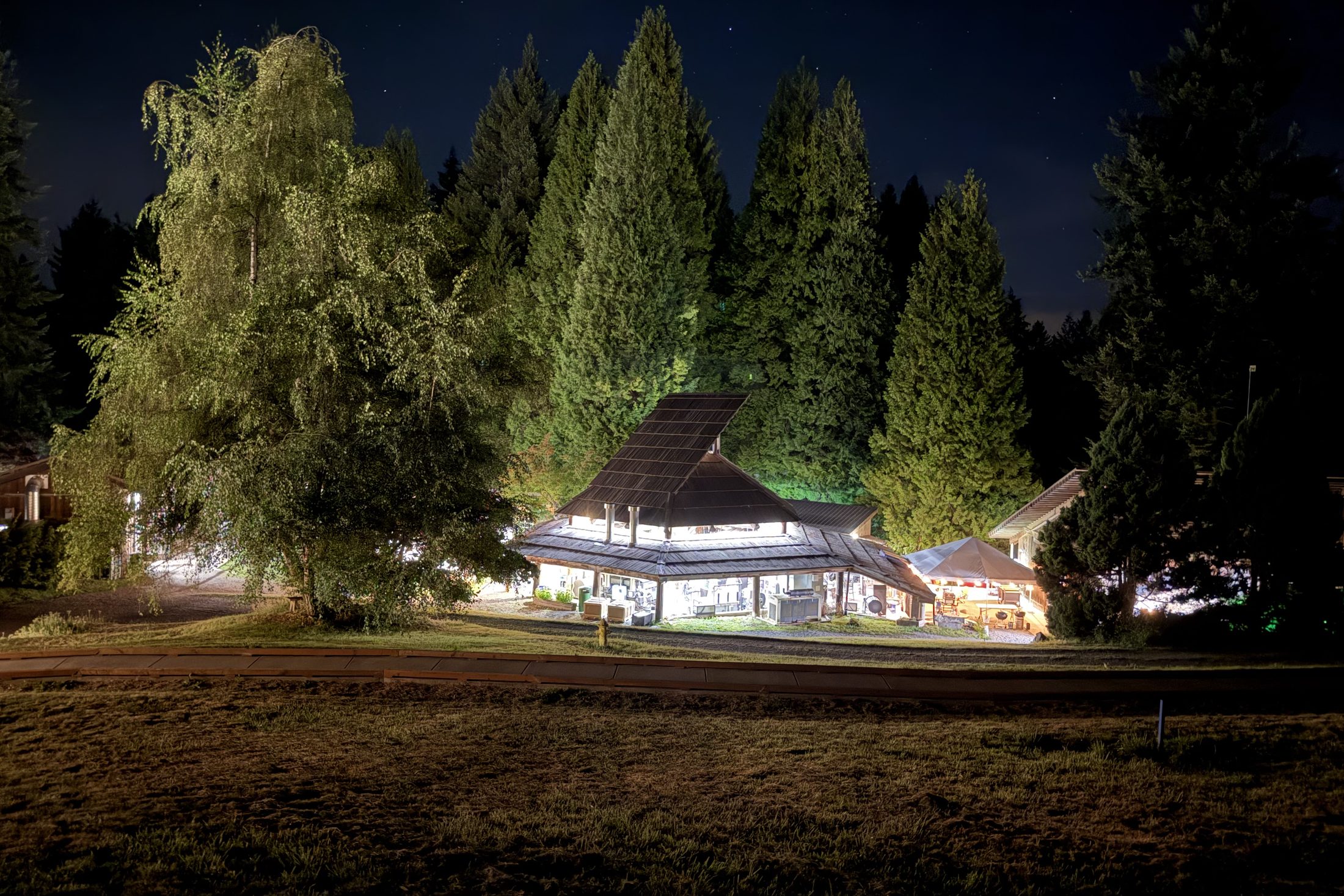
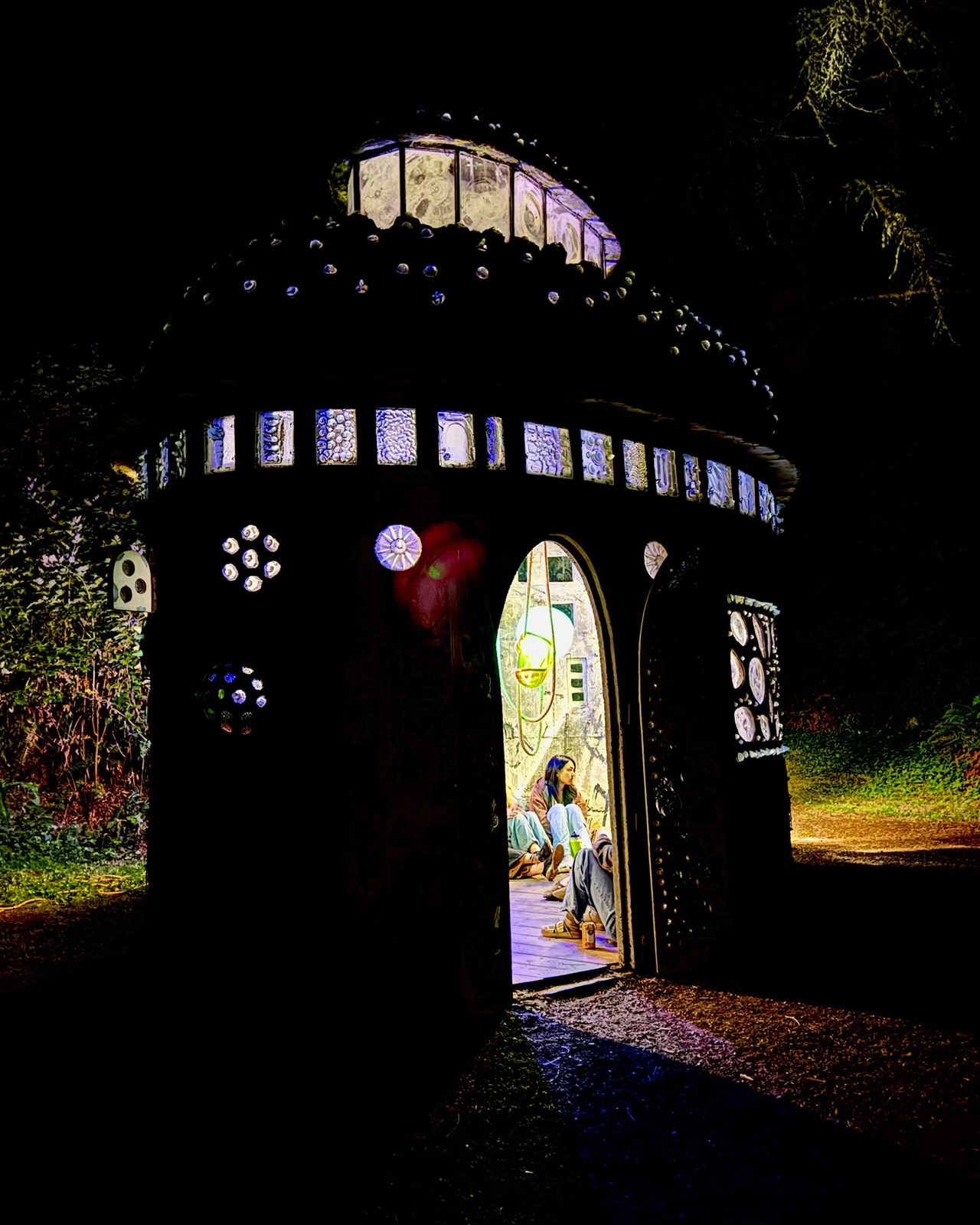
In summer 2026 Sullivan attended a session at Pilchuck Glass School in Stanwood, Washington, an international center for glass art education founded in 1971 on a tree farm north of Seattle.
He worked in flameworking and kiln casting and made the first pieces of two works there: Tumbleweed, Study No. 1, built from borosilicate rod at the torch, and the Cedar Sconce castings, cast from bark gathered on the tree farm.
Stanford d.school
 images/dschool.jpg · 3:2 landscape · “You are here,” Stanford d.school
Sullivan earned a master’s degree in design at Stanford University, where he studied at the Hasso Plattner Institute of Design, known as the d.school. Its method of field research, fast prototyping and testing with the people who will use the result shapes how he develops each installation.
Each work follows the same sequence: study the site, build models and material tests, and refine the design before fabrication begins.
Approach
Design in the studio
Every work starts as drawings, scale models and material tests. Form, structure, mounting and lighting are resolved before fabrication begins.
Teams of makers
Pieces are fabricated by makers chosen for each material and technique, working to the studio’s drawings and joined by engineers and installers as the project requires.
Site and light
Installations are designed for a specific place: its daylight, weather, sight lines and the way people move through it.
Education
- Stanford University
- Master’s degree, Design
- Middlebury College
- B.A., Physics
- Pilchuck Glass School
- Glass course, 2026
Studios
- Winthrop, Washington
- Methow Valley
- Kailua, Hawaiʻi
- Windward Oʻahu